A filling repairs a tooth that has been damaged by decay or by a fracture. Patients often hear two choices: a tooth-coloured filling, or the older silver-coloured one. This guide, written by Dr. Jaya Lakshmi, BDS, General Dentist at Dr C Dental Clinic, explains how the two differ and what to think about when you decide.
What a filling does
When decay is removed, the space left in the tooth is filled so that bacteria cannot get back in and the tooth can work normally again. A good filling restores the shape, protects the tooth from further damage and keeps the bite comfortable. The material is only one part of a good result. Careful removal of decay, moisture control during placement and an accurate bite are just as important.
Tooth-coloured (composite) fillings
- Made from a tooth-coloured resin that is bonded to the tooth surface.
- Can be shaded to match the tooth, so they are suitable for front teeth and for visible areas. This matters when cosmetic appearance is a priority.
- Usually need less removal of healthy tooth than some other restorations, because they bond to the tooth.
- Can stain, wear or chip over time, and may need polishing or repair.
- Good for small to medium repairs. Very large fillings in heavily loaded back teeth may be better treated with a different option.
Amalgam (silver) fillings
- A metal mixture that has been used for many years, mainly in back teeth.
- Does not match the colour of the natural tooth, so it is more visible.
- Often needs the tooth to be shaped to hold the material in place.
- Is generally considered durable for chewing surfaces of back teeth.
- Can be a practical choice where appearance is not a priority, but it is not the only option.
What affects the choice
- Where the filling is. Front teeth and visible areas usually suit tooth-coloured material.
- How large the filling is. Small and medium repairs suit composite well. Large repairs need a closer look at the options.
- Your bite and habits. Grinding and heavy biting place more load on any filling.
- Appearance. If the filling will show when you smile or speak, a tooth-coloured option may matter more.
- Cost and time. Ask what each option costs and whether it needs more than one visit. Do not compare quotes unless they list what is included.
What to expect at your appointment
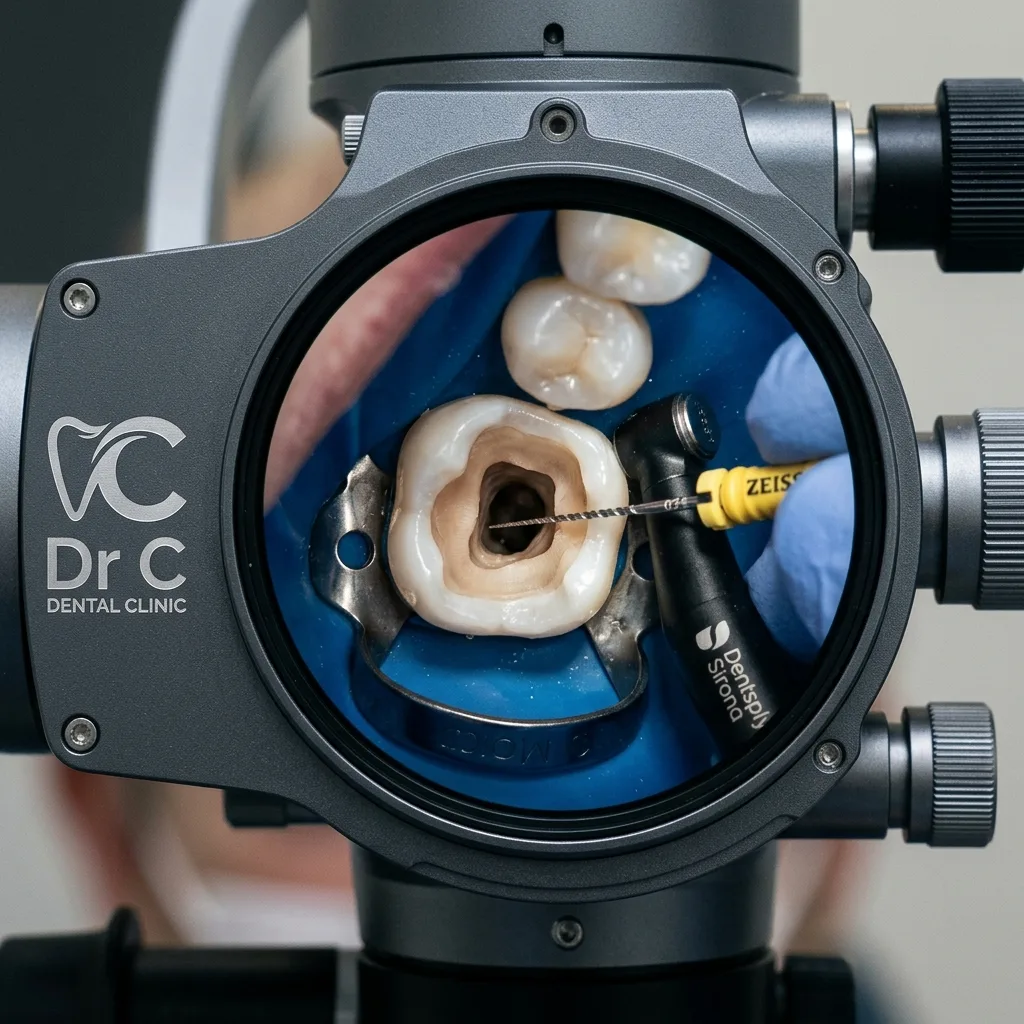
A filling appointment usually takes between 30 minutes and an hour, depending on the size of the repair and the number of teeth being treated. The area is numbed with a local anaesthetic, so the procedure itself should not be painful. The decay is removed with a handpiece and, in some areas, with a hand instrument. The cavity is cleaned and prepared, then the filling material is placed in layers, cured with a blue light, and shaped to match the natural contour of the tooth. The dentist checks the bite and makes any adjustments before you leave. Some patients notice a mild ache once the anaesthetic wears off, which usually settles within a day or two. If the tooth still feels high or is sensitive after two weeks, contact the clinic so it can be checked and adjusted.
When a filling may not be enough
Not every damaged tooth can be repaired with a filling alone. When the walls of the tooth are very thin after decay removal, a crown may give better long-term protection. When the decay has reached the pulp inside the tooth, a root canal treatment is usually needed before the tooth can be restored. A severely cracked tooth may need a different approach. The dentist will explain what is needed and why before any treatment begins. Catching decay early usually means a small filling is all that is required, which is why regular check-ups matter. If you are already in pain and cannot wait, see the information on emergency dental care in Kompally.
Fillings in children's teeth
Milk teeth can and do develop decay, and they benefit from fillings even though they are eventually replaced. An untreated cavity in a milk tooth can become painful, spread to the permanent tooth developing below it, and may lead to early extraction, which affects how the remaining teeth fit together. For younger children, a tooth-coloured material is often used. Regular check-ups from an early age help catch problems while they are still small. See the guide to children's dental care at Dr C Dental Clinic for more information.
What to ask before a filling is placed
- Why is a filling needed, and how much decay was found?
- Which material do you recommend for this tooth, and why?
- Will any healthy tooth need to be removed?
- Is there a risk of sensitivity, and what should I do if it continues?
- How long can I expect the filling to last, and how will it be checked?
Looking after a filling
Brush twice a day with fluoride toothpaste, clean between the teeth every day, limit sugary food and drink, and keep regular check-up appointments. Avoid chewing very hard objects with a recently filled tooth, and let your dentist know if you grind your teeth, since a night guard can protect the restoration and reduce wear over time.
Summary
Tooth-coloured composite fillings suit front teeth and small to medium repairs, and amalgam is an established option for back teeth where appearance matters less. The right choice depends on the tooth, the size of the repair and your priorities. The dentist should explain the options clearly before treatment begins. Appointments for a filling assessment or check-up are available at Dr C Dental Clinic, Floor 2, Fairmount Square, Medchal Road, opposite CinePlanet, Kompally, Monday to Saturday 10 am to 8 pm.