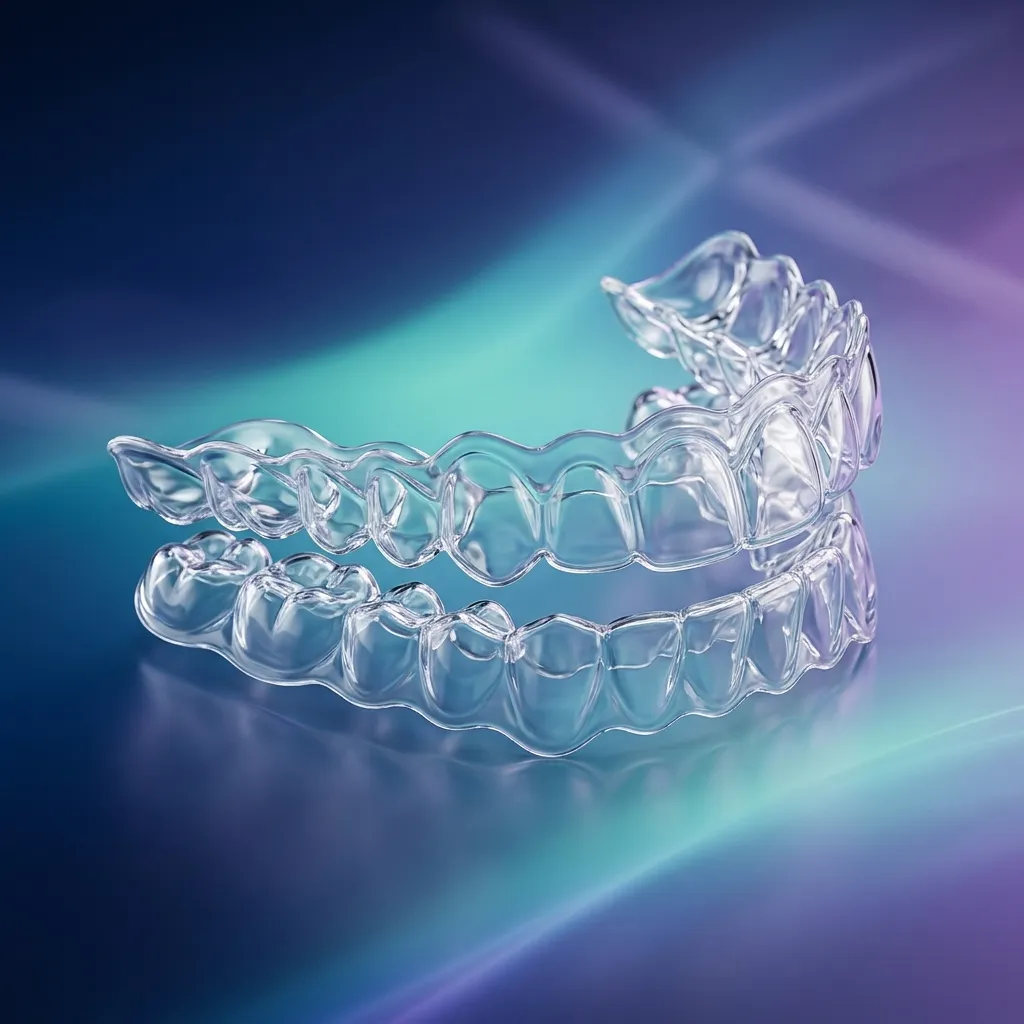
A clear aligner is a series of thin, removable plastic trays, each shaped to sit slightly differently from your current tooth positions. You change to the next tray in the series, and the teeth are guided a little further each time. The idea is simple. The planning behind it is where an orthodontist matters, and that is what this article explains: what aligners can correct, what they cannot, and what the treatment asks of you.
How aligners move teeth
Teeth move because steady, gentle pressure makes the bone around the root remodel. Braces apply that pressure through brackets and wires. Aligners apply it by pressing on the crown of the tooth through the tray. In both cases the tooth is moved by the same biology, and in both cases the speed is limited by how fast bone can remodel, not by how clever the appliance is.
This is worth knowing because it explains why no honest clinician can promise a fixed number of months before assessing your teeth. The length of treatment depends on how far each tooth has to travel, how many teeth are involved, and how consistently the trays are worn.
What the planning visit involves
Treatment starts with an examination, not with a tray. The orthodontist looks at your teeth, gums and bite, and checks that there is no untreated decay or gum disease, because teeth should be healthy before they are moved. Records usually include photographs, X-rays and a digital scan or impressions of your teeth.
Those records are used to plan the movement of each tooth in stages. Many plans can be previewed on screen, so you can see the intended end position before you decide. Ask to see it and to have the plan explained. The plan is the most important part of the treatment, because the trays only follow it.
Which problems aligners suit
Aligners are commonly used for:
- Mild to moderate crowding
- Gaps between teeth
- Teeth that have drifted after earlier treatment
- Some bite problems, depending on their type and severity
Some movements are harder for a tray to control, such as rotating certain teeth, moving teeth bodily over a long distance, or correcting a significant jaw discrepancy. In those cases braces may give more control, or a combination of treatments may be suggested. Which option fits is an orthodontic decision made after the examination. Our page on braces and aligners lists the options we offer, and the article on Invisalign versus traditional braces compares them in more detail.
What wearing aligners asks of you
Aligners only work while they are in your mouth. They are removable, which is their advantage and also their risk.
- Wear time. You are normally asked to wear the trays for most of the day and night, and to take them out to eat, drink anything other than water, and clean your teeth. Your orthodontist will give you the exact instruction for your plan.
- Cleaning. Brush and floss before putting the trays back in. Food trapped under a tray sits against the tooth for hours.
- Pressure. A new tray usually feels tight for a day or two. That pressure is the treatment working. Persistent or sharp pain is not expected and is worth a call to the clinic.
- Appointments. Progress is checked at review visits, and the plan can be adjusted if a tooth is not tracking as intended.
- Retention. Teeth tend to drift back toward their old positions once treatment ends. A retainer is usually needed afterwards, and skipping it is the most common way a good result is lost.
Aligners and braces compared
Neither is better in every case. Aligners are less visible and can be removed for meals and cleaning. Braces are fixed, so they work whether or not the patient is disciplined about wear, and they give the orthodontist more control over difficult movements. Someone who will not wear trays consistently may get a better result from braces. Someone with a simple case and a strong preference for appearance may be well suited to aligners.
Questions to ask before you start
- Can I see the planned end position and the planned steps?
- Is my case a good fit for aligners, or would braces control it better?
- Who will review my progress, and how often?
- What retainer will I need, and for how long?
- What does the full treatment cost, including reviews and retainers?
Who will see you
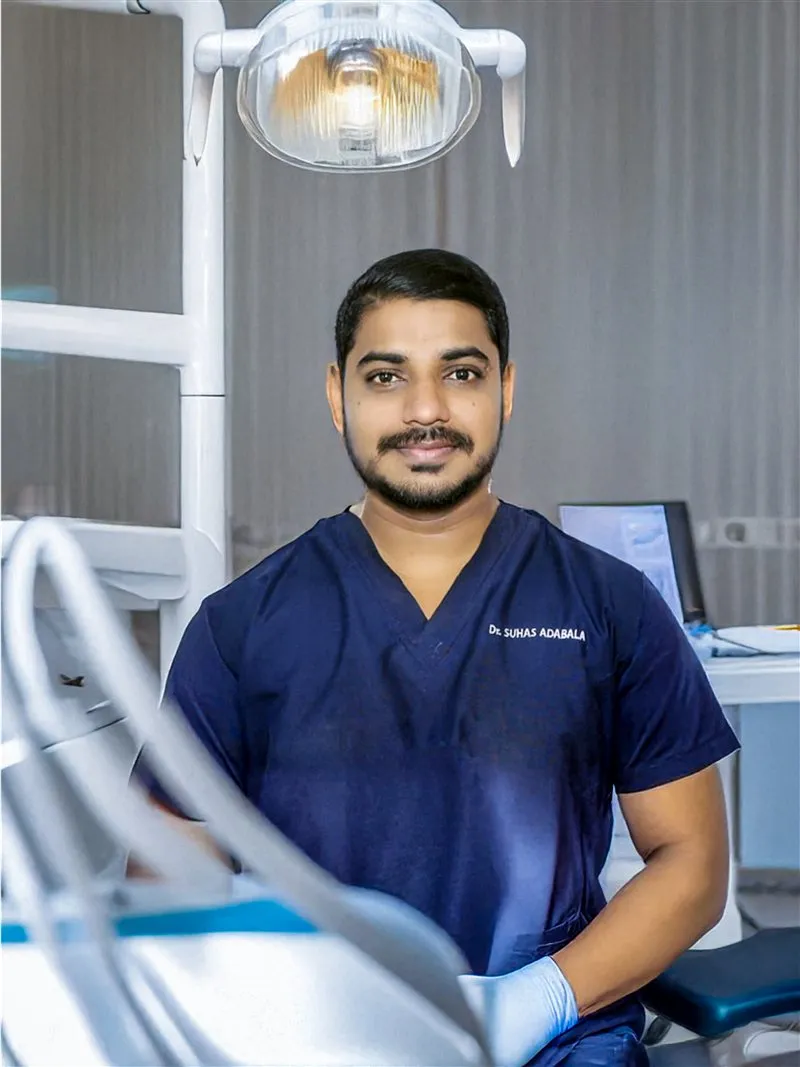
Dr. Suhas Adabala, who holds an MDS in Orthodontics, leads orthodontic treatment at Dr C Dental Clinic on Medchal Road, Kompally, opposite CinePlanet. If you would like to know whether aligners are an option for your teeth, book an assessment or call the clinic on +91 96426 56568.
This article is general information and not a diagnosis. Whether aligners suit you can only be decided after an examination.